14
Aug
2025

Airport Electronic Equipment Recycling | Equip Recycling

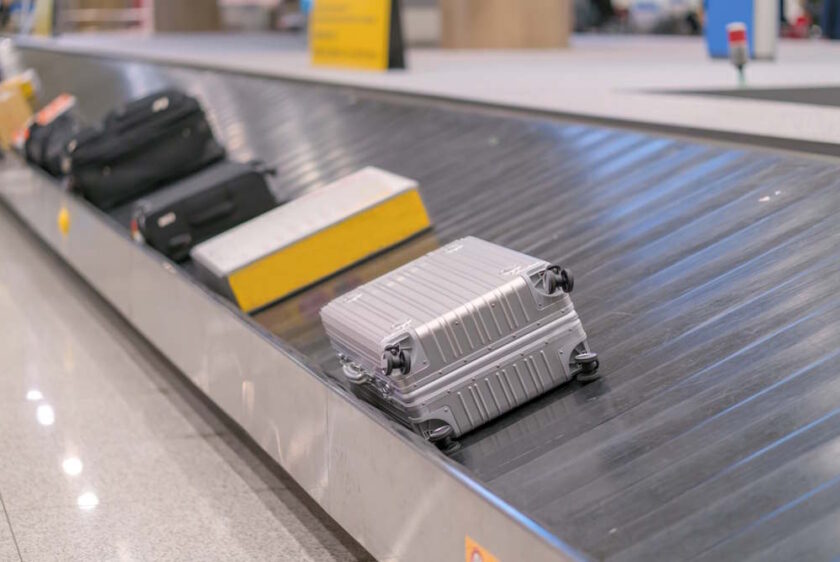
Airport Electronic Equipment Recycling in Georgia Airports rely on advanced electronics for critical operations. Equip Recycling helps airports efficiently handle and recycle their decommissioned equipment through secure, free e-waste pickup and disposal services. Home Industries We Serve Banking Healthcare Schools & Universities Military & Government Aerospace Entertainment Hospitality FREE E-Waste Pickup & Disposal Decommission old security systems, kiosks, and communication devices with responsible e-waste pickup and disposal designed for airport operations. Get a Quote Schedule a Pickup Items We Accept info@equiprecycling.com (866) 966-4574 Why Aviation Facilities Trust Equip Recycling for Secure Decommissioning From biometric screening systems and radar installations to flight information displays and hardened network servers, we specialize in the secure decommissioning of aviation electronics using protocols aligned with National Security Agency (NSA) and United States Department of Defense (DoD) standards. Our process covers every stage: on-site asset identification, serialized tracking, secure data erasure, documented chain-of-custody logistics, and responsible recycling through International Traffic in Arms Regulations (ITAR) vendors. We’ve supported more than 30 Federal Aviation Administration (FAA) regulated facilities and maintain a verified 99.97 percent success rate in data sanitization across thousands of retired assets. Clients rely on our military-cleared personnel, real-time audit capabilities, and strict adherence to federal and aviation-sector protocol requirements. Optional services include secure on-site audits, physical drive destruction, and serialized reporting for internal governance or external regulatory review. Safeguard your systems, protect sensitive data, and streamline electronics retirement with confidence. Reach out today. Secure Decommissioning of Aviation Electronics Aviation authorities apply strict protocols when retiring electronic systems tied to essential infrastructure. Equipment such as biometric gates, radar installations, body scanners, and passenger check-in terminals often contain both sensitive data and hazardous substances, requiring specialized procedures at end-of-life.  The decommissioning process typically includes the following steps below. Inventory and Tracking Each asset is tagged and logged with serialized chain-of-custody documentation to ensure traceability throughout the lifecycle. Data Sanitazion Sensitive data is securely erased using software wiping, degaussing, or physical shredding, depending on device type and data classification. Sorting and Processing Parts are sorted based on sensitivity and condition, with non-sensitive items like brackets and casings repurposed, while high-risk components such as lithium-ion batteries and lead-soldered circuit boards are sent to accredited facilities for safe material recovery. Oversight is generally handled by airport IT teams, federal security vendors, or independent auditors who confirm adherence to ITAR, EPA hazardous waste rules, and internal sustainability benchmarks. Documentation such as data destruction documents, recycling records, and audit trails is compiled for regulatory inspection. This disciplined process safeguards sensitive aviation electronics while upholding environmental standards and public confidence. How Airport Electronics Are Recycled Airports rely on complex electronic systems, including radar arrays, passenger screening tools, surveillance storage, and self-service kiosks, that ultimately reach end-of-life. Their decommissioning and recycling are governed by stringent regulations prioritizing data protection, resource recovery, and environmental responsibility. The following provides a system-level summary of how core technologies are retired throughout the airport ecosystem. End-of-Life Recycling for Air Traffic Surveillance and Control Systems As airports upgrade to digital radar systems, older surveillance and control equipment must be carefully dismantled due to the presence of sensitive electronics, classified components, and hazardous materials such as leaded glass and mercury switches. Responsible recyclers recover valuable materials like aluminum, copper, circuit boards, and rare earth magnets, while isolating toxic substances for safe disposal. Environmental safeguards and zero-landfill policies minimize contamination, reduce e-waste, and protect national security. Vendors registered with ITAR handle encrypted or data-bearing systems using data destruction protocols. Parts suitable for reuse are repurposed in non-sensitive applications, and the rest are processed for material recovery. This dual-track approach ensures both regulatory protocols and sustainable resource management. Recycling and End-of-Life Management of Passenger Screening Technologies Passenger screening systems, including X-ray scanners, millimeter wave imagers, and puffer devices, are dismantled at end-of-life to recover copper wiring, aluminum housings, rare earth magnets, and radiation detectors. Hazardous components such as leaded glass, mercury switches, and radiation shielding are isolated under strict environmental protocols, while data-bearing modules are destroyed to protect privacy. Responsible e-waste recyclers or government-authorized vendors manage the process with oversight from agencies like the EPA and Nuclear Regulatory Commission, reducing environmental impact, ensuring audit readiness, and supporting recovery of critical materials. Recycling of Video Surveillance and Data Storage Systems Airport surveillance systems store sensitive video data and metadata on hard disk drives (HDDs), solid-state drives (SSDs), digital video recorders (DVRs), and network video recorders (NVRs). At end-of-life, authorized vendors destroy data-bearing components using Department of Defense (DoD) 5220.22-M overwriting, degaussing, or shredding to meet Transportation Security Administration (TSA) standards, and state regulations. Devices with residual risk are fully destroyed before recycling. After sanitization, teams dismantle systems to recover aluminum, copper, rare earth magnets, and circuit boards. They isolate hazardous elements like lithium batteries, lead solder, and mercury switches under Environmental Protection Agency (EPA) protocols. Authorized recyclers manage the process, ensure adherence, reduce electronic waste (e-waste), and support reuse of critical materials. Passenger-Focused Technologies and Sustainable Upgrades Airports deploy passenger-facing technologies such as baggage claim carousels with tracking modules, automated parking systems, flight display boards, and check-in kiosks. As these systems reach end-of-life, they require responsible recycling due to embedded materials like aluminum, copper, and rare earth elements found in sensors, processors, casings, and display panels. Devices that retain user data undergo secure erasure to mitigate privacy risks. E-waste recyclers handle disassembly, data sanitization, and material recovery under strict environmental and regulatory protocols. Hazardous components, including lithium batteries and lead solder, are safely removed and processed to prevent contamination. In 2025, American Airlines decommissioned all gate-side kiosks nationwide, citing sustainability goals and obsolete software. The devices were sent for recycling, and remaining supplies were recovered for proper disposal. These upgrades support waste reduction, resource reclamation, and the shift toward more sustainable airport operations. We are dedicated to providing customized service, environmentally sustainable practices, and secure data destruction. With free e-waste pickup and 30-day payment, we have been assisting companies across North America with the responsible retirement of old technology since 2008. Learn Our
14
Aug
2025

Medical Equipment Recycling and Disposal | Equip Recycling

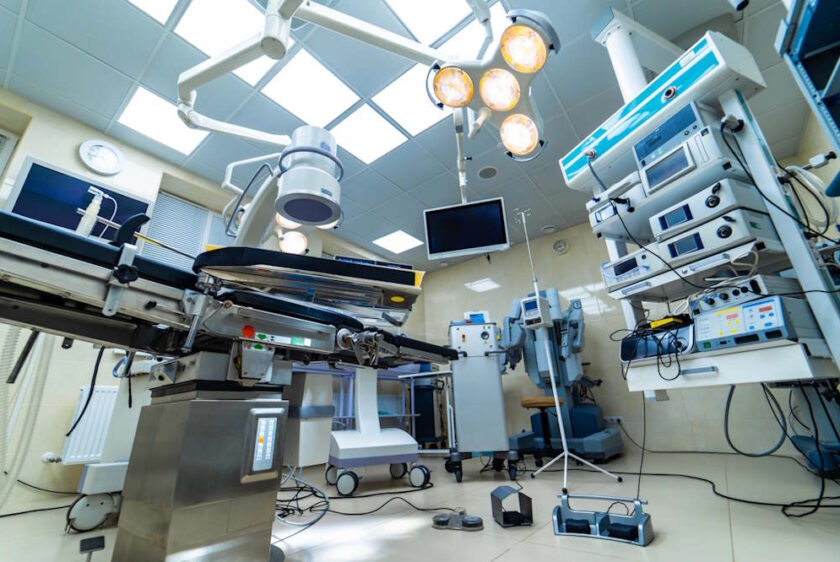
Medical Equipment Recycling & Disposal in Georgia Equip Recycling provides secure medical device recycling solutions for healthcare facilities throughout Georgia. Our process supports hospitals, clinics, labs, and dental offices by ensuring secure disposal of outdated or non-functional equipment. We follow regulations and environmental protocols through documented chain-of-custody, hazardous material handling, and secure data destruction. This protects patient privacy, maintains institutional adherence, and reduces environmental impact. Home Industries We Serve Banking Healthcare Schools & Universities Military & Government Aerospace Entertainment Hospitality FREE E-Waste Pickup & Disposal Clear out old or unused medical equipment with secure, eco-friendly recycling tailored for hospitals, clinics, and labs. Enjoy free pickup and hassle-free disposal. Get a Quote Schedule a Pickup Items We Accept info@equiprecycling.com (866) 966-4574 Managing Medical E-Waste and IT Disposal in Georgia Digital healthcare adoption has expanded rapidly across Georgia. Facilities now rely on a wide range of electronic devices, including: EKG monitors X-ray systems Infusion pumps Diagnostic imaging machines As these technologies evolve, so does the volume of medical e-waste. Many devices store sensitive patient data and contain hazardous components such as lithium batteries, mercury, and lead. Equip Recycling ensures responsible disposal and secure handling of these assets. Who Ensures Proper Medical E-Waste and IT Disposal? IT directors, officers, and facility managers are responsible for managing secure and environmentally sound disposal of retired medical equipment. Equip Recycling supports these roles by providing authorized processes and full documentation. What Does Responsible Medical Electronics Recycling Involve? Secure disposal of healthcare IT assets requires accredited data destruction, serial number documentation, and full reporting that meets both state and federal regulations. In the current regulatory environment, proper disposal is not optional. It is a mandatory safeguard for patient privacy and institutional accountability. How to Choose the Right Medical Equipment Recycling Partner Disposing of healthcare IT and medical devices requires specialized expertise. General e-waste recyclers often lack the tools and credentials to handle complex systems such as surgical monitors, diagnostic imaging machines, and connected lab instruments. To choose the right medical ITAD provider, verify the following below. Advanced Tools and Processes Drive shredders for secure data destruction Serial tracking systems for asset verification Real-time logistics monitoring for full transparency Proven Healthcare Experience References from healthcare clients Demonstrated adherence with medical-grade equipment protocols Equip Recycling meets these criteria and supports healthcare facilities across Georgia with secure, responsible, and sustainable recycling solutions. We understand the regulatory landscape and provide the documentation needed to stay audit-ready. Why Data Security Protocol Matters in Healthcare Healthcare organizations manage electronic protected health information, or ePHI. This includes medical records, diagnostic results, and billing details. Hospitals, clinics, private practices, and their IT vendors are required by federal law to secure this data against breaches, misuse, and unauthorized access. Non-adherence leads to financial penalties, reputational damage, and loss of patient trust. Effective data protection includes secure disposal of data-bearing devices, encryption of sensitive information, role-based access control, employee training, and audit trails that detect unauthorized activity. These measures are not optional. They are legal obligations tied to institutional integrity and public confidence. Medical data must be handled and destroyed according to multiple federal laws. The most relevant are listed below. The HITECH Act The HITECH Act, which promotes secure electronic health records The Payment Card Industry Data Security Standard (PCI DSS) The Payment Card Industry Data Security Standard (PCI DSS), which protects cardholder data used in medical billing systems The FACTA Disposal Rule The FACTA Disposal Rule, which requires secure destruction of consumer information to prevent identity theft The Gramm-Leach-Bliley Act The Gramm-Leach-Bliley Act, which regulates financial data privacy for institutions that handle patient billing The Sarbanes-Oxley Act The Sarbanes-Oxley Act, which mandates secure retention and destruction of financial records in applicable healthcare settings The Patriot Act The Patriot Act, which influences data-sharing and monitoring policies for institutions with national security relevance The Identity Theft and Assumption Deterrence Act The Identity Theft and Assumption Deterrence Act, which criminalizes the misuse of personally identifiable information​ Healthcare organizations that follow these regulations through accredited data destruction and documented processes reduce operational risk. They avoid legal penalties, maintain patient trust, and protect institutional reputation. Equip Recycling supports these outcomes by providing secure, responsible, and fully documented disposal services for healthcare IT and medical equipment across Georgia. We are dedicated to providing customized service, environmentally sustainable practices, and secure data destruction. With free e-waste pickup and 30-day payment, we have been assisting companies across North America with the responsible retirement of old technology since 2008. Learn Our Process Contact Us Call 8AM-5PM / Mon-Fri (866) 966-4574 Our Clients
14
Aug
2025

Dental Equipment Electronics Recycling and Decommissioning | Equip Recycling

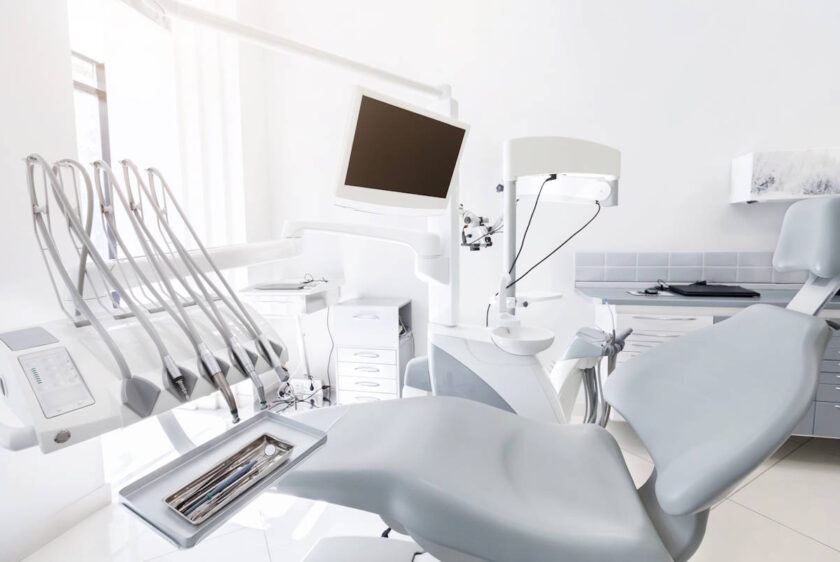
Dental Equipment Recycling in Georgia Dental equipment recycling in Georgia supports clinics in maintaining regulations, protecting patient data, and minimizing environmental impact. As technology advances, outdated devices such as X-ray systems, lead aprons, and data-bearing drives require secure disposal. Equip Recycling provides secure decommissioning services that meet regulatory requirements and safeguard institutional integrity. Home Industries We Serve Banking Healthcare Schools & Universities Military & Government Aerospace Entertainment Hospitality FREE E-Waste Pickup & Disposal Effortlessly recycle outdated treatment devices and electronic equipment with free e-waste pickup designed specifically for MedSpas. Get a Quote Schedule a Pickup Items We Accept info@equiprecycling.com (866) 966-4574 Trusted Dental Recycling Solutions Across Georgia Equip Recycling helps dental clinics across Georgia retire outdated equipment with confidence. Our process supports the secure recycling of digital and film-based X-rays, lead aprons, amalgam waste, hard drives, and other electronic dental assets while meeting all requirements under the Occupational Safety and Health Administration (OSHA). Using documented chain-of-custody (CoC) procedures and strict material handling protocols, we protect patient privacy, maintain regulatory alignment, and reduce environmental risk. Dental professionals across Georgia rely on Equip Recycling for sustainable, responsible, and secure equipment retirement. Why Dental Clinics in Georgia Trust Equip Recycling Equip Recycling provides secure, and environmentally responsible disposal of dental equipment across the state of Georgia. Our processes meet the highest protocol for data protection and environmental safety, ensuring that X-ray units, plain films, lead aprons, amalgam waste, and data-bearing devices are handled with precision and care. We follow strict guidelines, guaranteeing the secure handling of Protected Health Information (PHI) throughout every stage of equipment decommissioning. Our documented chain-of-custody (CoC) protocols and certified material handling eliminate liability and support full regulatory adherence. Georgia enforces rigorous protocols for healthcare and imaging waste disposal. Equip Recycling maintains full alignment with both state and federal regulations, helping dental facilities meet environmental and data privacy obligations without operational friction. Dental clinics can benefit from the following.  Fast, scheduled pickup of dental instruments and X-ray materials Secure handling with detailed documentation Full chain-of-custody tracking from pickup to final processing Environmentally safe disposal For secure, hassle-free disposal that protects both your patients and your practice contact Equip Recycling today to schedule a free dental e-waste pickup. How Advancing Technology Is Transforming Dentistry in Georgia Modern dentistry in Georgia has transformed through innovations in diagnostic imaging, digital workflows, and patient care systems. As clinics upgrade to newer technologies, the proper retirement of legacy equipment becomes critical for maintaining safety, and operational integrity. Equip Recycling supports dental professionals in Georgia with certified recycling solutions for key assets including vacuum systems, exam chairs, sterilizers, X-ray films, and imaging machines. Our process ensures that each item is decommissioned securely, in accordance with environmental and data protection standards. Dental Vacuum Systems Central vacuum and suction pumps often contain pumps, amalgam traps, and oil that require specialized handling. Our technicians disconnect plumbing lines, drain fluids, and remove amalgam residues in accordance with EPA amalgam separator rules. Each unit is then dismantled so metals and plastics can be recycled and any hazardous waste is properly manifested. Exam Chairs Treatment chairs house electric motors, hydraulic fluids, and upholstered materials. Equip Recycling disassembles chairs on‑site if needed, recovering steel frames and electronics while steering oils and foams into approved disposal channels. This minimizes landfill volume and keeps potentially harmful substances out of Georgia’s environment. Sterilizers Autoclaves and dry‑heat sterilizers combine pressurized chambers, heating elements, and computerized controls. We disconnect utilities, degas pressurized vessels, and separate circuitry for material recovery. Documentation supplied by our electronics recycling facility demonstrates proper handling for OSHA and state health inspections. X‑Ray Films and Machines Lead shielding, glass tubes, and high‑voltage components make X‑ray units especially tricky to dispose of. We remove wall‑mounted or floor‑standing machines, extracts lead for recycling, and routes electronics into our downstream network. Digital radiography hard drives and onboard PCs are wiped or shredded to protect patient data. Additional Dental Equipment We Manage Intraoral cameras and sensors Amalgam separators 3‑D printers and milling blocks Handpiece maintenance stations Practice management servers and networking gear We ensure that every dental device is handled in accordance with safety protocols, data privacy regulations, and environmental requirements. When equipment has been subject to recall, we apply state-approved decommissioning protocols to guarantee secure disposal; thereby, protecting both patient data and clinic liability. We are dedicated to providing customized service, environmentally sustainable practices, and secure data destruction. With free e-waste pickup and 30-day payment, we have been assisting companies across North America with the responsible retirement of old technology since 2008. Learn Our Process Contact Us Call 8AM-5PM / Mon-Fri (866) 966-4574 Our Clients
14
Aug
2025

Laboratory Equipment Recycling and Disposition | Equip Recycling

Laboratory Equipment Recycling in Georgia Laboratory testing equipment requires more than routine disposal. It demands specialized handling, and secure data destruction. At Equip Recycling, we have secure, sustainable, and responsible recycling solutions tailored to the unique needs of medical labs across the U.S., with expedited pickup available in Georgia. Home Industries We Serve Banking Healthcare Schools & Universities Military & Government Aerospace Entertainment Hospitality FREE E-Waste Pickup & Disposal Get rid of obsolete analyzers, monitors, and lab electronics with secure e-waste recycling and free pickup services built for laboratories. Get a Quote Schedule a Pickup Items We Accept info@equiprecycling.com (866) 966-4574 Responsible Medical Laboratory Equipment Recycling Services Recycling medical laboratory equipment requires specialized handling to manage hazardous materials, sensitive data, and regulatory obligations. Improper disposal can lead to environmental violations, data exposure, and security risks that impact both operations and reputation. Secure e-waste solutions help labs retire analyzers, centrifuges, imaging systems, and connected devices with confidence. By prioritizing safety, documentation, and regulatory alignment, facilities can protect patient privacy, reduce liability, and maintain a responsible environmental footprint. What Equip Recycling Does Differently Equip Recycling provides end-to-end responsible recycling for medical laboratory equipment, tailored to the healthcare sector’s strict safety and regulatory requirements. We specialize in secure disposal of lab e-waste,  secure destruction of data-bearing devices, and responsible handling of hazardous components. Our trained technicians manage dismantling, transport, and materials recovery with full documentation to support Environmental Protection Agency (EPA), and state-level regulations. Whenever possible, we assess equipment for refurbishment or resale, helping facilities recover value while maintaining environmental and legal responsibility. We ensure every asset is retired securely, sustainably, and in alignment with healthcare industry protocols. Nationwide Lab E-Waste Pickup with Fast Local Service in Georgia Equip Recycling offers secure, responsible lab e-waste pickup across Georgia and nationwide. We handle analyzers, centrifuges, and hazardous diagnostic equipment with secure data destruction, safe transport, and environmentally responsible recycling. Our process aligns with the Resource Conservation and Recovery Act (RCRA), backed by full chain-of-custody documentation for audit readiness. Labs benefit from fast local service and free pickup for qualifying equipment, allowing teams to stay focused on diagnostics while we manage the risks of disposal. Equip Recycling simplifies the process without compromising safety, sustainability, or operational integrity. 3 Key Reasons Why Medical Labs Need Responsible E-Waste Recyclers Medical lab equipment disposal requires careful handling due to biological, chemical, and data-related risks. These devices often contain hazardous materials and sensitive information, making improper disposal a threat to public health, and environmental safety. Responsible e-waste recyclers mitigate these risks through secure transport, documented destruction, and adherence to regulatory requirements. Partnering with qualified experts ensures labs meet obligations while protecting staff, patients, and the surrounding community. 1. Safety: Protecting People and the Environment Electronic equipment contains toxic substances such as lead, mercury, cadmium, brominated flame retardants, and chlorinated plastics. If mishandled, these materials can leach into soil and water, release harmful fumes, and contribute to serious health conditions including neurological disorders and respiratory illness. Laboratory devices like blood analyzers and centrifuges introduce biological risks, often retaining infectious residues that pose threats during dismantling. Safe disposal requires certified handling of both chemical and biological hazards. This includes the use of personal protective equipment, containment protocols, and sterilization prior to recycling. Each device is processed securely, sustainably, and in full adherance with federal safety protocols. 2. Responsibility: Ensuring Legal Adherance Improper disposal of medical electronics can lead to serious regulatory violations and costly penalties. Laboratories and diagnostic facilities face stricter waste management requirements than general businesses due to the hazardous and sensitive nature of their equipment. Legal adherance involves meeting regulations set by the Environmental Protection Agency for toxic materials, the Occupational Safety and Health Administration for biohazard handling, the Resource Conservation and Recovery Act for hazardous waste, and state-level e-waste laws that safeguard public health and the environment. Proper documentation accompanies every asset processed, including data destruction, and hazardous waste tracking when applicable. This ensures full transparency, supports audit readiness, and protects facilities from legal exposure, financial penalties, and reputational damage. 3. Confidentiality: Protecting Sensitive Patient Data Lab devices such as blood analyzers and networked instruments often store sensitive medical data that must be protected under federal privacy laws. Improper disposal can result in violations, putting patients and healthcare providers at risk. Secure data destruction is essential to ensure integrity and prevent breaches. Certified protocols include secure data wiping, hard drive degaussing and shredding for each processed device. A secure chain-of-custody tracks every asset from pickup through final destruction, maintaining data integrity and supporting audit readiness throughout the process. Why Medical Labs Produce Unique E-Waste Medical labs produce unique e-waste because their equipment combines sensitive electronics with biological, chemical, and data-related risks. Devices such as centrifuges, blood analyzers, mass spectrometers, and incubators are complex and often retain hazardous residues or patient information that require specialized handling. As devices age or become obsolete, proper disposal is essential to meet both regulatory requirements and operational procedures. Safe, sustainable recycling helps labs manage risk, and support environmental responsibility. Why Responsible Recycling Matters Responsible recycling goes beyond reducing waste. It safeguards patient safety, prevents environmental harm, and ensures alignment with federal and state requirements. Medical laboratories must manage equipment disposal with precision to avoid regulatory and operational risks. We are dedicated to providing customized service, environmentally sustainable practices, and secure data destruction. With free e-waste pickup and 30-day payment, we have been assisting companies across North America with the responsible retirement of old technology since 2008. Learn Our Process Contact Us Call 8AM-5PM / Mon-Fri (866) 966-4574 Our Clients
14
Aug
2025

Ophthalmology Equipment Recycling | Equip Recycling

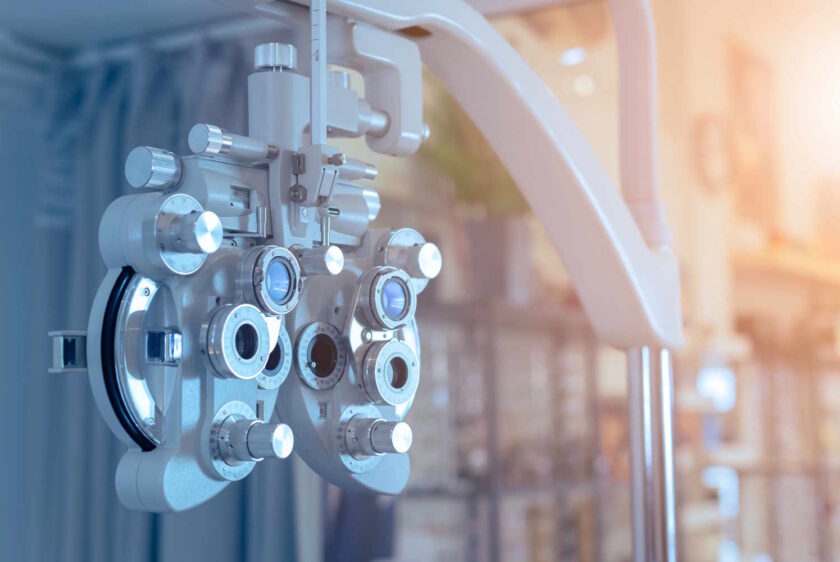
Ophthalmologist Equipment Recycling in Georgia Vision care relies on the coordinated efforts of ophthalmologists, optometrists, and opticians, with each playing a distinct role and using specialized tools to support eye health. From surgical instruments to diagnostic devices, this equipment eventually reaches end of life and must be disposed of securely. Proper recycling ensures that both sensitive patient data and potentially hazardous materials are handled in a secure and environmentally responsible manner. Home Industries We Serve Banking Healthcare Schools & Universities Military & Government Aerospace Entertainment Hospitality FREE E-Waste Pickup & Disposal Safely recycle outdated diagnostic devices and imaging equipment with free e-waste pickup and disposal designed for ophthalmology practices. Get a Quote Schedule a Pickup Items We Accept info@equiprecycling.com (866) 966-4574 Ophthalmic Equipment Recycling Made Easy with Equip Recycling Equip Recycling offers eye care professionals a streamlined way to dispose of outdated ophthalmic devices such as autorefractors, phoropters, and slit lamps. Our process includes secure data destruction, secure on-site pickup, and recycling through recycling facilities. Devices that remain functional are refurbished or donated to extend their useful life and reduce environmental impact. We ensure every unit is handled with care, helping you safeguard patient data, maintain operational integrity, and support sustainability. Schedule your ophthalmic electronic waste pickup today with Equip Recycling. Recycling Optometrists’ Equipment Optometric devices contain a mix of materials, including plastics, glass lenses, and electronic components commonly found in autorefractors, phoropters, and similar diagnostic tools. When equipment becomes outdated or nonfunctional, it must be routed through electronic waste (e-waste) recycling centers and specialized medical recyclers to ensure safe and responsible disposal. These pathways prevent hazardous substances from entering the environment and align with regulations designed to protect public health. Devices that store patient data require secure destruction protocols to maintain confidentiality, often following date destruction guidelines. Whenever possible, functioning but outdated equipment is refurbished or donated to extend its useful life and reduce unnecessary waste. Recycling Diagnostic Equipment in Optometry Practices Optometrists rely on precision instruments such as phoropters, autorefractors, and visual acuity systems to evaluate vision and prescribe corrective lenses. These devices are constructed from coated glass, aluminum housings, plastics, and sensitive electronic components. As they age or become obsolete, they may contain data storage and hazardous materials including leaded solder, mercury, and lithium-based batteries. Proper handling is essential to prevent environmental harm and ensure adherance with health and safety regulations. Once decommissioned, nonfunctional equipment should be sent to electronic e-waste or medical recycling facilities. These recyclers disassemble each unit, recover reusable materials, and dispose of hazardous components in accordance with regulatory procedures. Devices that remain operational are refurbished and donated to vision clinics, training institutions, or global outreach programs. How Ophthalmic Equipment Is Recycled Responsibly Ophthalmic equipment is recycled responsibly by securely collecting outdated devices, destroying any stored patient data in observance with responsible data destruction practices, and dismantling components for processing through recycling facilities. Recyclable materials are recovered, hazardous waste is safely disposed of, and functional units are refurbished or donated to reduce environmental impact and support global eye care initiatives. Commonly Recycled Equipment and How It’s Processed Commonly recycled electronics include cameras, lighting fixtures, audio gear, storage media, monitors, cables, and batteries. Each category requires specific handling to ensure responsible processing. The commonly recycled equipment and how it is processed are listed below. Cameras and Camcorders Functional units are refurbished or salvaged for parts. Non-working devices are dismantled, with batteries and printed circuit boards (PCBs) processed as hazardous waste.​ Lighting Fixtures Components such as glass, metal housings, and wiring are separated. Toxic elements like mercury are isolated and treated through responsible hazardous waste protocols. Audio Equipment Microphones, mixers, and transmitters are disassembled to recover metals and circuit boards. Any data-bearing components are securely wiped. Media Storage Hard drives, solid-state drives (SSDs), and SD cards undergo data destruction. Materials are then shredded and separated for recovery. Monitors and Display Screens Screens are dismantled to recover leaded glass, mercury lamps, and electronics. Hazardous waste streams are documented and routed through approved channels. Cables and Wiring Insulation is stripped or granulated to reclaim copper and aluminum. Non-recyclable sheathing is processed through compliant waste facilities.​ Batteries and Power Supplies Units are sorted by chemistry type and processed in facilities equipped to neutralize reactive compounds and recover critical raw materials.​ Recycling these components reduces environmental impact, prevents hazardous substances from entering landfills, and returns valuable materials to the manufacturing supply chain. Refurbishing and Donation as Alternatives Refurbishment and donation offer sustainable, socially impactful alternatives to disposal, particularly for equipment that retains functional value. Devices such as cameras, monitors, and audio tools are repaired, cleaned, and upgraded before being donated to film schools, community media centers, or nonprofit creative programs. This process not only extends the lifespan of professional-grade gear but also reduces electronic waste and fosters equitable access to creative tools. By supporting emerging talent and minimizing environmental impact, these practices advance both sustainability and inclusion in media and arts. Challenges in Recycling Ophthalmic Devices Recycling ophthalmic devices presents a complex set of technical, regulatory, and economic challenges that hinder efficient processing. Key challenges are discussed below. Addressing these barriers requires coordinated efforts among eye care professionals, manufacturers, and recycling partners to develop scalable, safe, and circular solutions for ophthalmic waste. Combining multiple materials Devices often integrate plastics, metals, glass, and electronics, making separation and recovery difficult.​ Requiring sterilization before handling Many items are single-use or contamination-prone, necessitating costly and specialized decontamination procedures.​ Storing sensitive patient data Diagnostic equipment may contain private health information, which must be securely erased before reuse or disposal.​ Producing low recycling volume Limited usage across facilities reduces the scale needed to support dedicated recycling programs or infrastructure. Lacking manufacturer support Few original equipment manufacturers (OEMs) offer take-back initiatives or design devices with recyclability in mind.​ Falling into regulatory gray areas Ophthalmic devices often straddle classifications between medical and electronic waste, complicating disposal workflows and responsible handling protocols. Costing more to recycle than their material value The expense of disassembly, sterilization, and logistics frequently
14
Aug
2025

Health Clinic & Surgery Center Equipment Recycling and Disposal | Equip Recycling

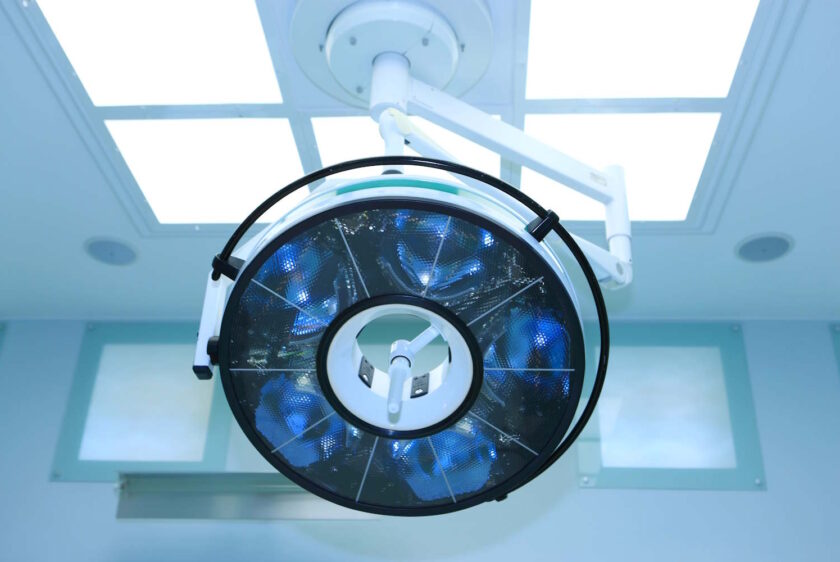
Health Clinic & Surgery Center Equipment Recycling and Disposal in Georgia Equip Recycling offers specialized health clinic and surgery center equipment recycling services in Macon, Georgia. We ensure the secure and environmentally responsible disposal of outdated medical technology. Home Industries We Serve Banking Healthcare Schools & Universities Military & Government Aerospace Entertainment Hospitality FREE E-Waste Pickup & Disposal Securely remove and recycle outdated medical devices and electronic equipment with free e-waste pickup designed for health clinics and surgery centers. Get a Quote Schedule a Pickup Items We Accept info@equiprecycling.com (866) 966-4574 Recycling Equipment Used in Health Clinics and Surgery Centers In Macon, Georgia, Equip Recycling offers specialized services for the responsible disposal and recycling of electronic equipment used in health clinics and surgery centers. As medical technology advances, facilities often need to upgrade their equipment, necessitating the proper handling of outdated devices. We ensure that all equipment is safely disposed of. Healthcare Imaging Technology Recycling Modern diagnostic procedures rely heavily on imaging technologies such as X-rays, CT scans, MRIs, and ultrasounds. As these machines become obsolete, it’s crucial to dispose of them responsibly to prevent environmental harm and data breaches. We provide secure and environmentally friendly recycling solutions for all types of imaging equipment. X-Rays Machine Disposal X-ray machines, which utilize radiation to capture images of the body’s internal structures, contain components that can be hazardous if not handled properly. We ensure that these machines are dismantled safely, with all hazardous materials disposed of according to federal and state regulations, and any stored patient data securely destroyed. Computed Tomography (CT/CAT) Scan Equipment Recycling CT scanners provide detailed cross-sectional images of the body and are essential tools in modern diagnostics. When these machines reach the end of their lifecycle, Equip Recycling offers comprehensive recycling services that include the safe removal of radioactive components and the secure handling of any embedded patient information. Magnetic Resonance Imaging (MRI) Machine E-Waste MRI machines use powerful magnetic fields to produce detailed images of soft tissues. Due to their size and complexity, disposing of MRI machines requires specialized knowledge. Equip Recycling has the expertise to decommission these machines safely, ensuring that all components are recycled appropriately and any sensitive data is thoroughly erased. Ultrasound Device Recycling Ultrasound devices, known for their safety and non-invasive imaging capabilities, are commonly used in various medical settings. As technology evolves, older ultrasound machines may become obsolete. We provide secure recycling services for these devices, ensuring that all electronic components are processed responsibly. Noninvasive Surgery Device Recycling Advancements in medical technology have led to the development of noninvasive surgical devices, such as endoscopic and robotic systems. When these devices are no longer in use, we ensure their proper disposal, handling all electronic and mechanical components with care to prevent environmental contamination and data breaches. We are dedicated to providing customized service, environmentally sustainable practices, and secure data destruction. With free e-waste pickup and 30-day payment, we have been assisting companies across North America with the responsible retirement of old technology since 2008. Learn Our Process Contact Us Call 8AM-5PM / Mon-Fri (866) 966-4574 Our Clients

13
Jan
2025

Manufacturing

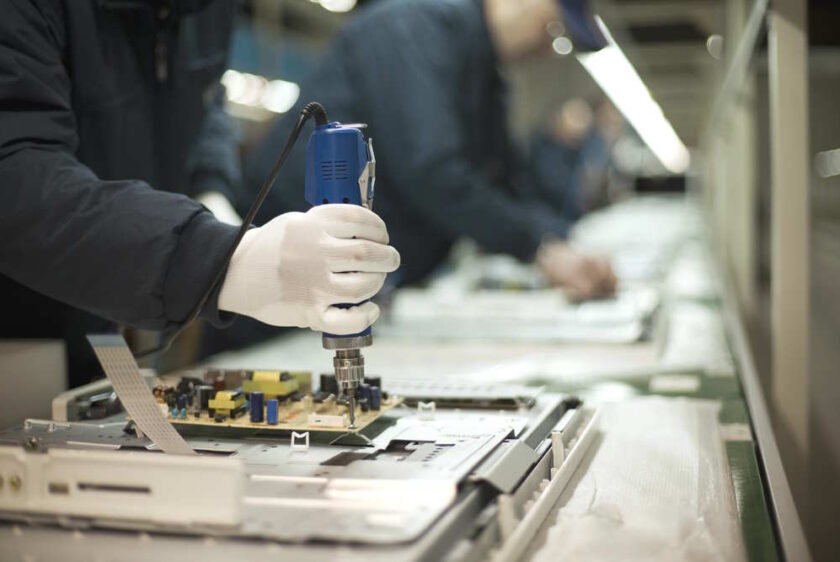
We offer secure, responsible disposal of tech and equipment for manufacturing sectors.
12
Jan
2025

Municipality

We provide secure, sustainable e-waste disposal for municipal governments and offices.
11
Jan
2025

Insurance

We offer secure IT asset disposal and e-waste recycling for insurance agencies.
9
Jan
2025

Business

We provide secure e-waste recycling and IT disposal solutions for businesses of all sizes.