In your City, we only do pickups from Commercial Businesses.
Click here to lookup the nearest BestBuy.com location or Staples.com location for Easy Dropoff.
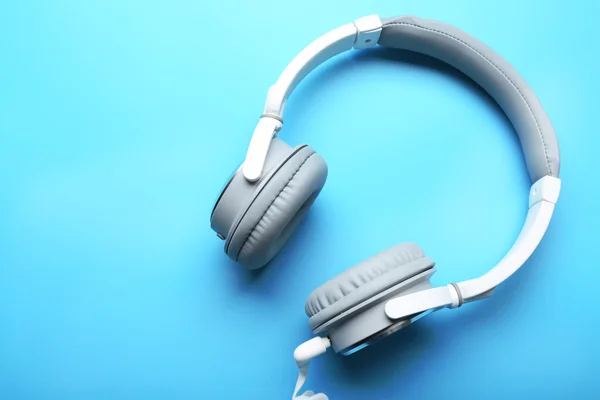
Headphones are audio devices that deliver sound directly to the listener’s ears from sources like smartphones, computers, and music players. Inside each pair are small speakers, called drivers, that convert electrical signals into sound waves. They are widely used for entertainment, communication, gaming, and professional audio work, with different designs tailored for comfort, sound quality, and specific use cases.
There are several main headphone categories, each designed for particular listening environments and preferences:
Over-ear headphones fully enclose the ears with large, cushioned ear cups. This design creates a seal that helps block external noise while producing rich, immersive sound with strong bass and clarity. Because the padding surrounds the ears instead of pressing on them, they are highly comfortable for extended use. These are commonly used for gaming, studio work, and high-quality music listening.
On-ear headphones rest directly on the ears rather than covering them completely. They are lighter and more compact than over-ear models, making them easy to carry. However, they allow more ambient sound in and may leak audio outward. They are a practical choice for everyday listening and portable use.
Earbuds are compact headphones that sit in the outer ear without entering the ear canal. They are extremely portable and often included with mobile devices. Many modern versions are wireless, featuring Bluetooth connectivity, built-in microphones, and touch controls. Their convenience makes them ideal for commuting, workouts, and casual listening.
IEMs fit snugly inside the ear canal, creating a tight seal that enhances sound isolation and accuracy. This results in more detailed audio and reduced background noise. They are widely used by musicians and audio professionals, especially in live performances and studio settings. Some models are custom-molded for a precise fit.
Wireless headphones connect to devices without cables, typically using Bluetooth or radio frequency technology. They offer greater mobility and eliminate tangled wires. Available in over-ear, on-ear, and in-ear formats, they often include rechargeable batteries, microphones, and smart features like voice assistant support.
Noise-canceling headphones use active noise cancellation (ANC) to reduce unwanted background sounds. Built-in microphones detect external noise and generate opposing sound waves to cancel it out. This technology creates a quieter listening experience, making it especially useful for travel, work, and noisy environments.
Unlike traditional headphones, bone conduction models transmit sound vibrations through the skull directly to the inner ear, bypassing the eardrum. This leaves the ear canal open, allowing users to stay aware of their surroundings. They are popular for outdoor activities like running and cycling, and can also benefit individuals with certain hearing conditions.
Closed-back headphones feature sealed ear cups that prevent sound from leaking out and block external noise. This design enhances bass and provides a more focused listening experience. They are commonly used for recording, gaming, and working in noisy environments where sound isolation is important.
Open-back headphones have ear cups with vents or open panels that allow air and sound to pass through. This creates a wider, more natural soundstage that feels spacious and realistic. They are ideal for critical listening and audio mixing, but are best used in quiet settings due to sound leakage.
Semi-open headphones combine features of both open-back and closed-back designs. Their partially vented ear cups provide a balance between sound isolation and natural audio. They offer a more airy sound than closed-back models while reducing leakage compared to fully open designs, making them suitable for studio environments.
Headphones originated in the late 1800s for use by telephone operators. Early versions were bulky, single-sided devices that rested on the shoulder, allowing hands-free communication.
In the early 20th century, inventor Nathaniel Baldwin developed one of the first modern headphone designs, improving both sound quality and comfort. His “Radio Head-Set” gained recognition and was adopted by the U.S. Navy.
A breakthrough came in 1937 with the Beyerdynamic DT-48, one of the first commercially available dynamic headphones. This marked the transition of headphones from specialized tools to consumer products.
Advancements in materials and design over the years have improved durability, comfort, and audio performance. By the mid-2000s, Bluetooth technology revolutionized the industry, enabling wireless headphones and earbuds. Today, features like active noise cancellation, smart assistants, and high-resolution audio continue to shape modern headphone technology.
Yes, IT Asset Disposition (ITAD) providers can safely dispose of headphones. These companies specialize in recycling and managing electronic waste, including audio devices. They ensure that materials such as plastics, metals, and electronic components are processed in accordance with environmental regulations. Using ITAD services helps organizations reduce waste and support sustainable practices.
Headphones are classified as computer hardware accessories. They function as output devices within a computer hardware system, delivering audio directly to the user for private and focused listening. They are essential for tasks such as video calls, gaming, online learning, audio production, and general media consumption. In both personal and professional settings, headphones improve communication and enhance the overall user experience.